Best Time to Snorkel Shell Island: Month by Month
The best time to snorkel Shell Island runs from May through October, when the water sits between 77°F and 86°F and calm mornings are common before the afternoon sea breeze picks up. Clarity here, though, is more a wind question than a season question: the jetties at St. Andrews State Park report over 20 feet of visibility on calm days in any month, and a still October morning can out-clear a choppy July afternoon. This guide walks the year month by month, water temperature by water temperature, so you can weigh that against whatever dates you already have.
Quick answer
May through October is the most comfortable water window, with temperatures between 77°F and 86°F, though clarity depends far more on wind than on the month itself. Calm mornings before the afternoon sea breeze are the reliable variable, and fall often brings the clearest water of the year once the summer wind pattern eases.
Key takeaways
- Water temperature runs from about 62°F in January and February up to about 86°F in August
- Wind, not season, is the main driver of visibility; the jetties at St. Andrews State Park report over 20 feet on calm days
- Hurricane season runs 1 June to 30 November, and free cancellation up to 24 hours out is what actually protects a summer booking
- There is no fixed jellyfish season here; reports cluster spring through early autumn but jellyfish are in the Gulf year-round
- Morning departures beat afternoon ones almost every month, before the sea breeze builds chop
- Every trip here runs 3 hours and costs $49 to $57, and the price doesn't change with the season (compare the boats)
Water Temperature Month by Month
These are 10-year monthly averages for Panama City Beach, so read them as a typical year rather than a promise for any single date. Last verified: August 2026.
| Month | Avg Water Temp |
|---|---|
| January | 62°F |
| February | 62°F |
| March | 65°F |
| April | 70°F |
| May | 77°F |
| June | 83°F |
| July | 85°F |
| August | 86°F |
| September | 84°F |
| October | 78°F |
| November | 71°F |
| December | 66°F |
August runs warmest at about 86°F, and January and February tie for coldest at about 62°F, cold enough that most people want a wetsuit without one (see the what to bring guide for the seasonal wear breakdown). Everything from May through October sits in a genuinely comfortable range for snorkeling in just a swimsuit and rash guard.
Trips That Run Through Every Season
Every boat here operates year-round, so the timing question below is about comfort and conditions, not availability.
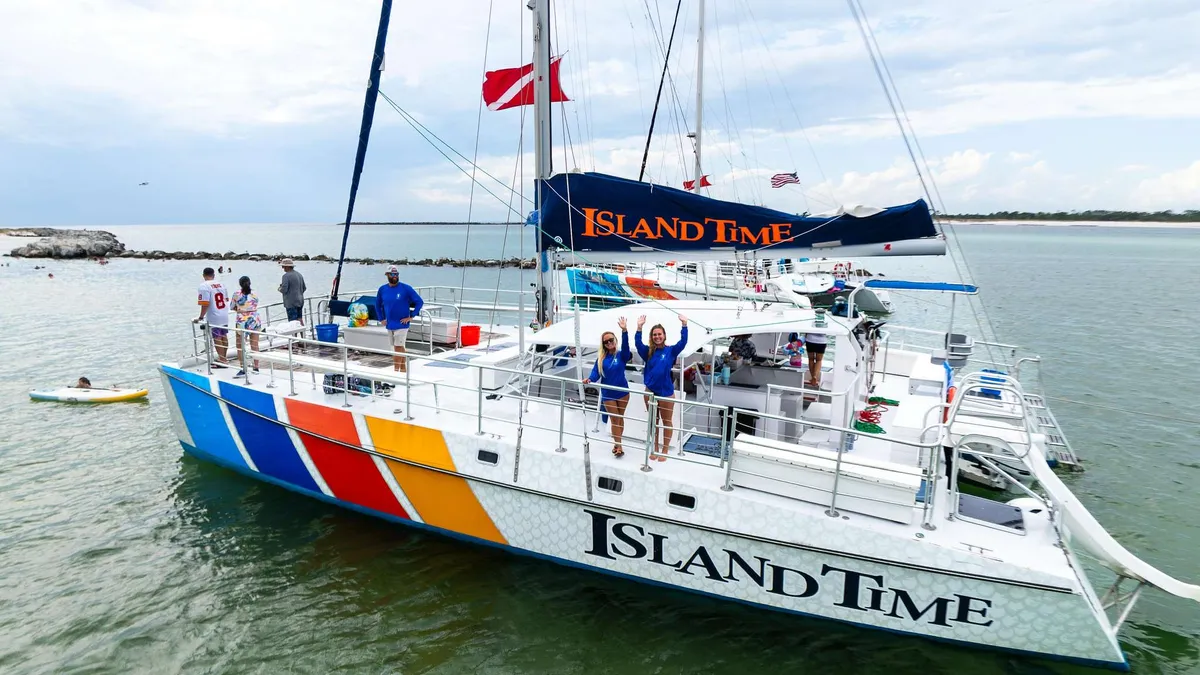 from $52Top Rated — 4.9★
 Shell Island Snorkel & Dolphin Catamaran Cruise
A 3-hour catamaran cruise from Panama City Beach out to Shell Island, with a snorkel stop in the clear, calm water of St. Andrew Bay and time to…
- 3-hour catamaran cruise to Shell Island
- Snorkel stop in calm, clear bay water
- Watch for bottlenose dolphins along the way
- Snorkel gear included, good for beginners
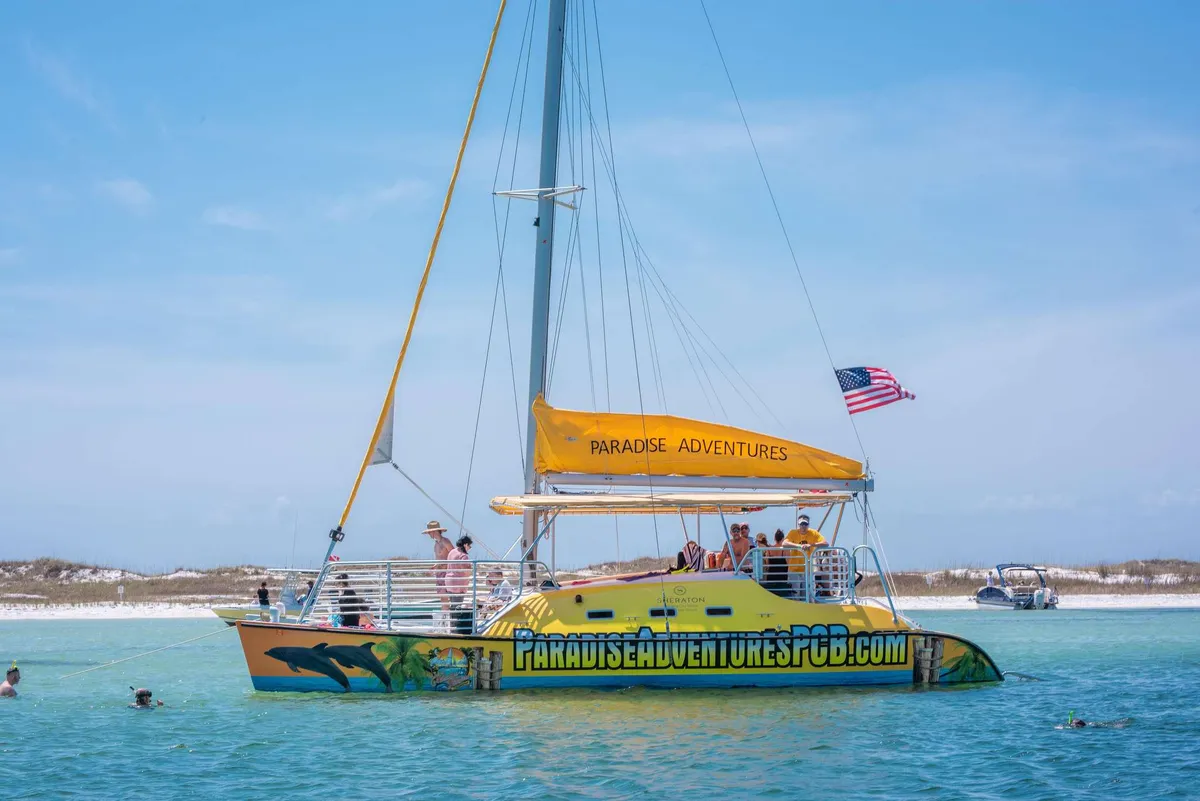 from $49Most Popular — 126 Reviews
 Shell Island Footloose Catamaran Snorkeling Tour
A 3-hour trip aboard the Footloose catamaran, cruising the blue-green water off Panama City Beach to snorkel around Shell Island and look for dolphins on the way. There…
- Sail aboard the Footloose catamaran
- Snorkel the clear water around Shell Island
- Dolphin watching on the cruise
- Time to collect seashells on the Gulf shore
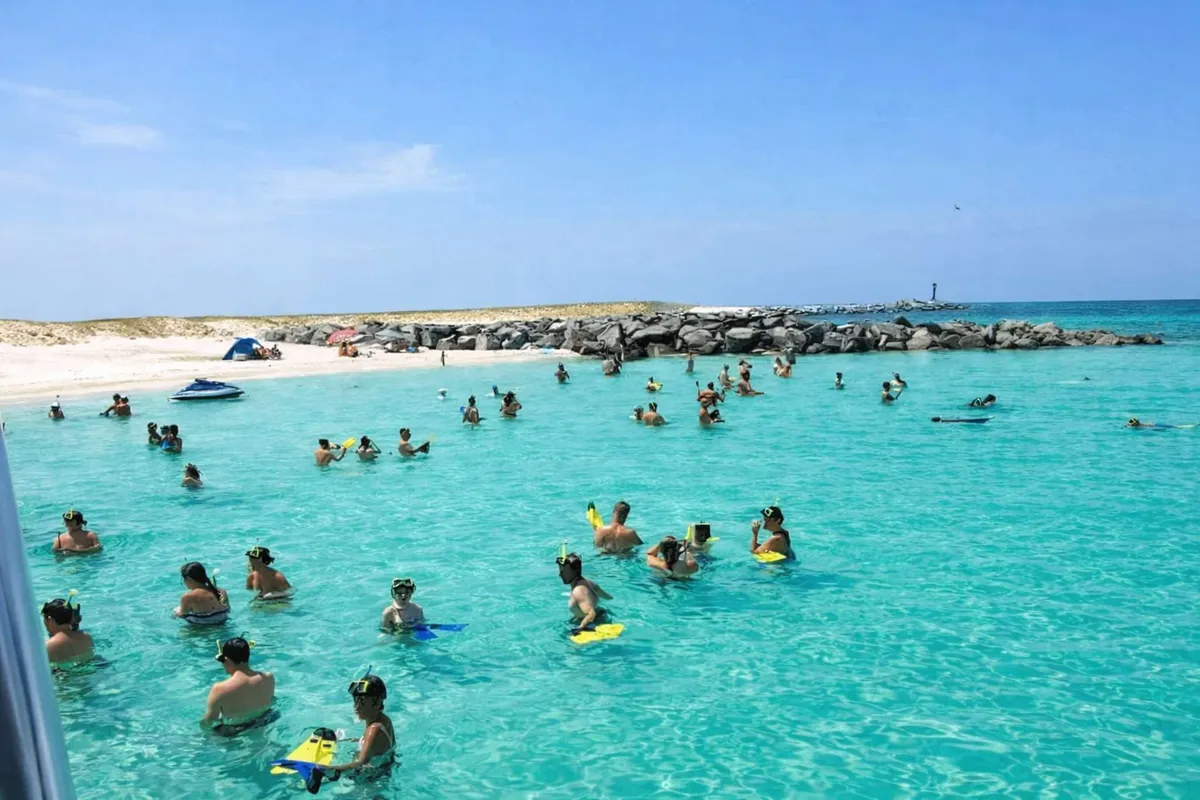 from $57Two Snorkel Stops
 Shell Island Snorkeling with Two Stops & Dolphin Watching
A 3-hour cruise from Panama City Beach with two snorkel stops around Shell Island, plus dolphin watching and time to relax on the island's pristine beaches. A knowledgeable…
- Two snorkel stops around Shell Island
- Dolphin watching in St. Andrew Bay
- Beach time on Shell Island's white sand
- Local crew with gear provided
The Clearest Water Is a Wind Question, Not a Season Question
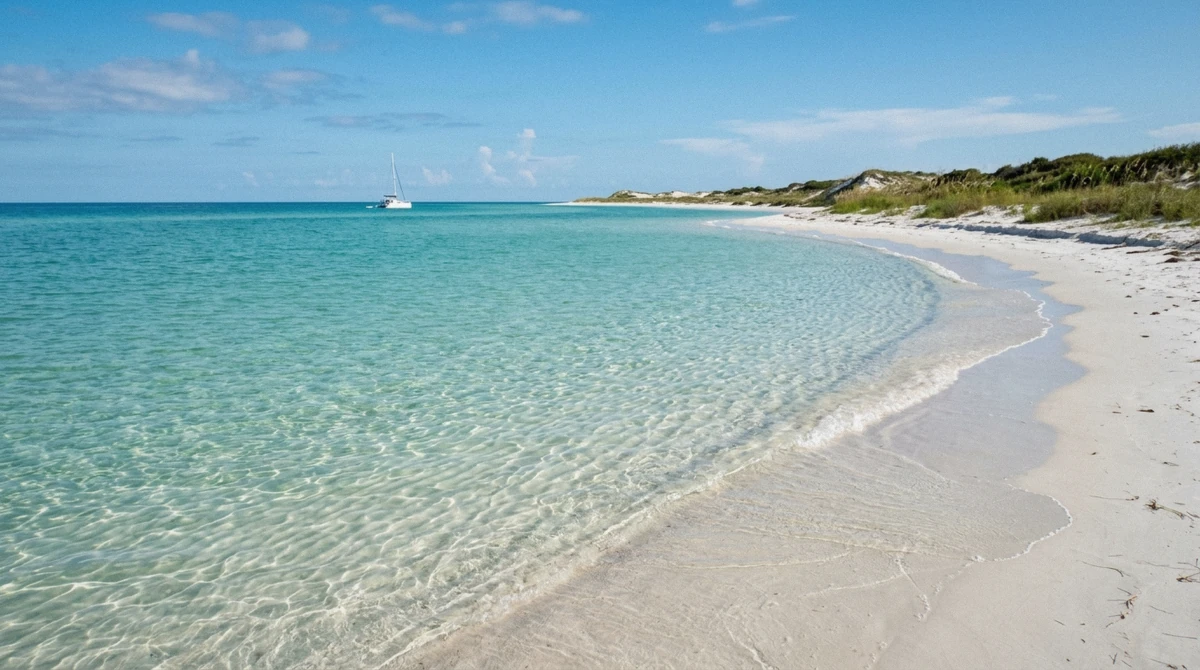
Most people assume the best visibility follows the warmest water, and that's not quite right here. What actually clears the water around Shell Island and the jetties at St. Andrews State Park is wind, specifically the lack of it. A calm morning stirs up far less sediment than a windy afternoon, regardless of which month it is, which is why the reliable pattern locals watch is time of day and wind forecast, not the calendar.
- Calm mornings, before the afternoon sea breeze builds, give the clearest water in any month
- Reported visibility at the jetties tops 20 feet on calm days
- Fall mornings are often the clearest of the year, once the summer wind pattern eases
- A windy day in a warm month can run murkier than a calm day in a cooler one
The jetties themselves, a sheltered cove formed by two rock walls at St. Andrews Pass, hold up better in wind than the open Gulf shore does, which is one reason they're considered the best shore snorkeling on this stretch of coast. The full breakdown of that spot, the shallow "kiddie pool" beside it and the fish you'll actually see there lives on the St. Andrews State Park snorkeling guide; this post focuses on timing, that one focuses on the spot itself.
Month by Month: What Each Part of the Year Is Like
Winter (January and February): Coldest Water, Calmest Bay
Water sits around 62°F, cold enough that most people want a wetsuit to stay comfortable for a full snorkel session. The trade is a quieter dock, thinner crowds and a bay that tends to lie flatter than it does in summer. The crossing and the island are still worth it in winter; you're trading warm water for elbow room and a calmer boat ride.
Spring (March through May): Warming Fast, Still Manageable Crowds
Temperature climbs from 65°F in March to 77°F by May, crossing into genuinely comfortable territory by late spring. This is also when spring break traffic builds along Panama City Beach, so weekday mornings are worth favoring over a Saturday in March if you want a quieter dock.
Summer (June through August): Warmest Water, Most Crowded, Most Wind-Sensitive
Water peaks at 86°F in August, warm enough that most snorkelers are comfortable with no wetsuit at all. It's also hurricane season (1 June to 30 November) and the busiest stretch on the water, with afternoon sea breezes building predictably as the day heats up. Morning departures are worth prioritizing more in summer than in any other season.
Fall (September and October): Often the Clearest Water of the Year
September still runs warm at 84°F, and October cools to a comfortable 78°F. Wind patterns tend to settle down after the peak of hurricane season passes, which is why fall mornings frequently produce the best visibility of the whole year, even though the water itself isn't at its warmest.
Late Fall Into Early Winter (November and December): Cooling Fast, Quiet Dock
Temperature drops from 71°F in November to 66°F in December, still swimmable for most people without a wetsuit through most of November. Crowds thin out noticeably once the summer season ends, and this is one of the quietest windows to book a weekday trip.
Jellyfish, Honestly
There is no tidy jellyfish season to hand you here, and any source that gives you exact dates is guessing. Reports cluster spring through early autumn, but the Panama City Beach beach-safety office has said publicly that jellyfish are present in the Gulf year-round. The honest version is: they can turn up in any month, more often in warmer ones, and a purple flag flying alongside the day's colour flag is the real-time signal that something's been spotted, not the season on the calendar.
| Species | What to Expect |
|---|---|
| Moon jellies | Mild sting, most common and least concerning |
| Sea nettles | Painful sting, tentacles trail several feet below the surface |
| Cannonball jellies | Harmless, no meaningful sting |
| Portuguese man o' war | Dangerous, not a true jellyfish, take a purple flag seriously |
The Flag System and What Stops a Trip
Panama City Beach flies the International Life Saving Federation flags, and they are worth reading correctly before any beach day here, snorkel trip or not: green means low hazard, yellow means medium hazard with moderate surf or current, red means high hazard, and double red means the water is closed to the public, a decision that carries a $500 fine if you swim anyway. A purple flag flies alongside a colour flag, never instead of one, and signals dangerous marine life has been spotted.
- Green: low hazard
- Yellow: medium hazard, moderate surf and/or currents
- Red: high hazard
- Double red: water closed, swimming is an ordinance violation, $500 fine
- Purple: dangerous marine life, flown alongside a colour flag
Rip currents are the real hazard on this stretch of coast, and drownings on this coast have happened on yellow-flag days, not only red ones. Shell Island has no lifeguards at any point of the shore, so the flag reading and your own judgment are what you have. If you're ever caught in a rip current, don't swim against it; swim parallel to shore until you're free of it, then back in.
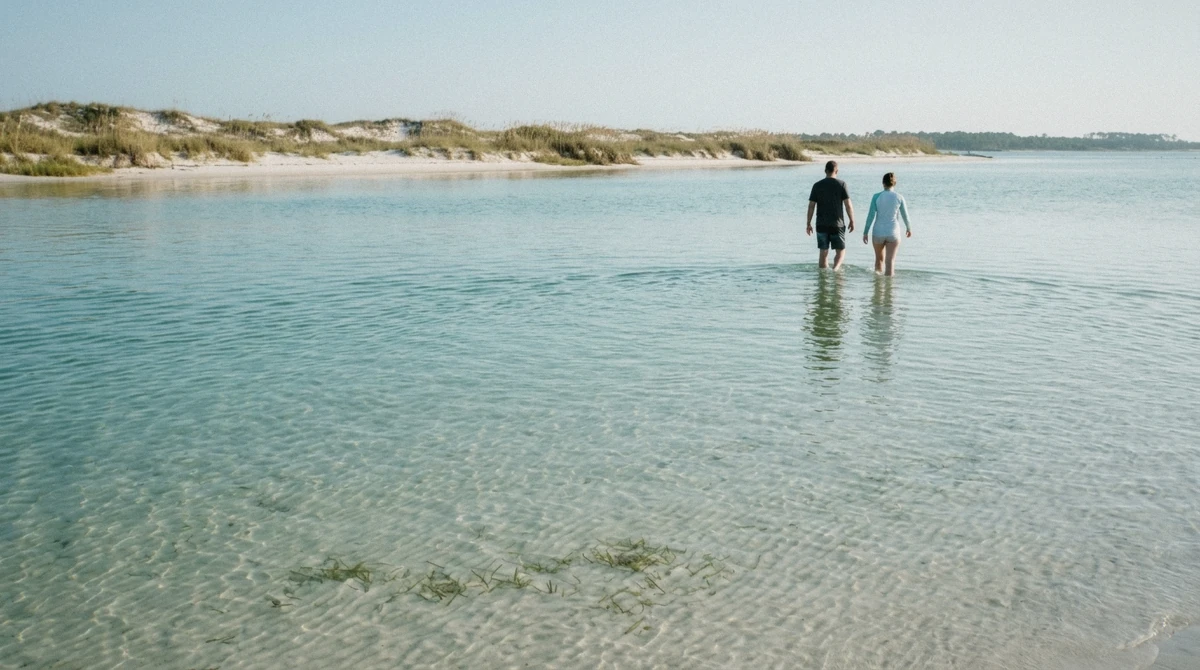
Hurricane Season, 1 June to 30 November
Atlantic hurricane season runs 1 June through 30 November by NOAA's definition, which covers most of the warm-water window that makes summer appealing here in the first place. In practice, what cancels a 3-hour trip out of Panama City Beach is rarely a named storm; it's wind, surf and thunderstorms on an ordinary afternoon, the same kind of weather that can show up in any month but turns up more often in this stretch.
Every trip listed here carries free cancellation up to 24 hours before departure, which is the mechanism that protects a booking if conditions turn. On the day, a weather call typically comes down to wind and sea state at the dock rather than a forecast alone, so a light morning drizzle doesn't automatically mean a cancelled trip. Last verified: August 2026.
Crowds, Spring Break and the Quiet Weeks
Spring break traffic builds along Panama City Beach through March and into early April, and it is the single most predictable crowd spike of the year on the dock. Summer weekends run busy too, driven by the warm water and family travel schedules. The quietest windows tend to fall on weekday mornings in late fall and winter, once the summer season has wound down and before the next spring break rush builds.
Best Time of Day: Why Mornings Win
Morning departures beat afternoon ones in almost every month here, and the reason is the same wind pattern that governs visibility: the Gulf coast sea breeze typically builds through the afternoon as the land heats up, adding chop that afternoon trips have to work around. A morning trip gets you onto calmer water before that pattern sets in, which matters more in summer than in winter but holds true across the whole year. If your schedule allows a choice, take the earlier slot.
Which Month Suits You
If you're traveling with young children
aim for May, June or September, when the water is warm and mornings tend to stay calm before crowds and afternoon chop build.
If you want the clearest water and don't mind cooler air
book a calm morning in October or November, when fall wind patterns often produce the year's best visibility.
If you're on a budget and want to avoid crowds
a weekday in late November or December pairs a quiet dock with genuinely comfortable water, if you're not chasing peak warmth.
If you're visiting in winter and want to snorkel anyway
plan around January or February water near 62°F with a wetsuit; the bay runs calmer then too, which offsets some of the cold.
So, when should you go. If comfortable water matters most, May through October covers you, with fall mornings the best bet for genuinely clear water. If you'd rather trade some warmth for a quiet dock and calmer conditions, winter is a legitimate answer here, not a compromise.
Either way, book the morning slot when you have the choice, and treat the flags and the forecast on the actual day as the final word, not this guide. For Shell Island snorkeling tours by season, the current lineup runs every month of the year.
Frequently Asked Questions
What is the best month to snorkel at Shell Island?
May through October gives the most comfortable water, between 77°F and 86°F, and fall mornings often bring the clearest visibility of the year once summer wind patterns ease.
How warm is the water in Panama City Beach?
It ranges from about 62°F in January and February up to about 86°F in August, based on 10-year monthly averages. See the full table above for every month.
When are jellyfish worst in Panama City Beach?
There is no fixed season. Reports cluster spring through early autumn, but jellyfish are present in the Gulf year-round, and a purple flag flying is the real-time signal to watch for, not a calendar date.
Can you snorkel Shell Island in winter?
Yes, though water runs about 62°F in January and February, cold enough that most people want a wetsuit. The bay also tends to run calmer in winter, which is the trade-off.
What happens if the weather cancels the trip?
Every trip listed here carries free cancellation up to 24 hours before departure. A weather call on the day usually comes down to wind and sea state rather than a forecast alone, so a light drizzle doesn't automatically cancel a trip.
Is morning or afternoon better for snorkeling?
Morning, in almost every month. The afternoon sea breeze typically builds chop through the day, so a morning departure sits on calmer water more reliably, especially in summer.
When is Shell Island least crowded?
Weekday mornings in late fall and winter, after spring break and summer traffic ease and before the next spring break rush builds in March.